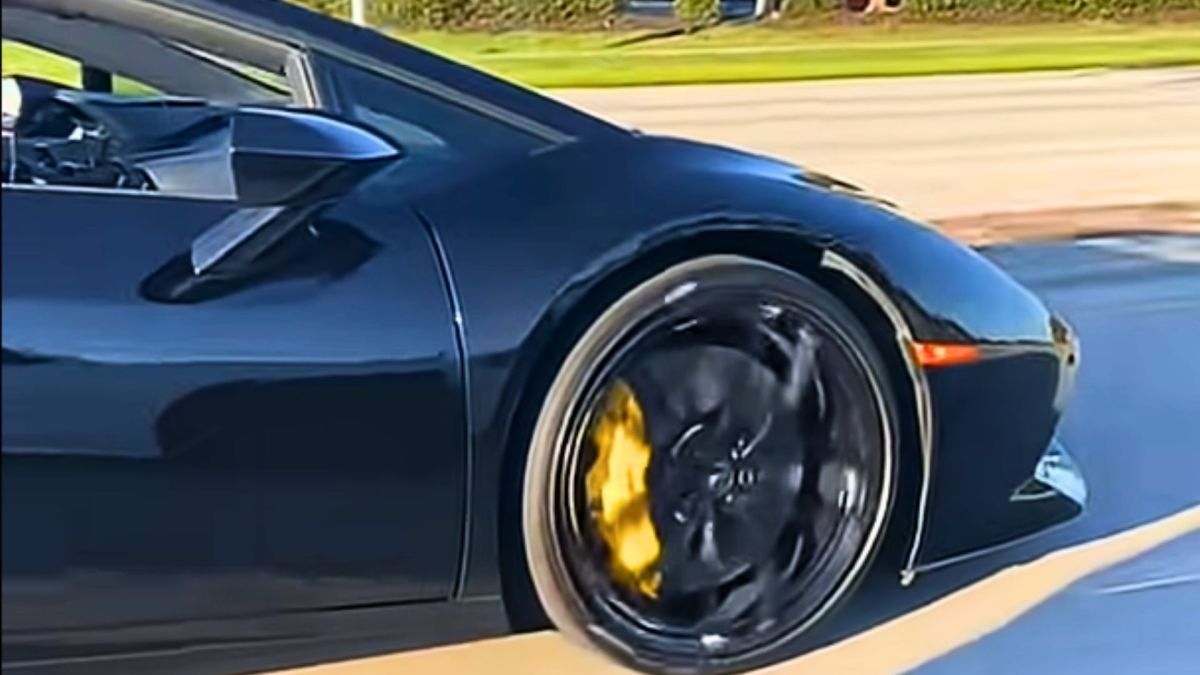
How Bright Headlights Escaped Regulation — and Blinded Us All

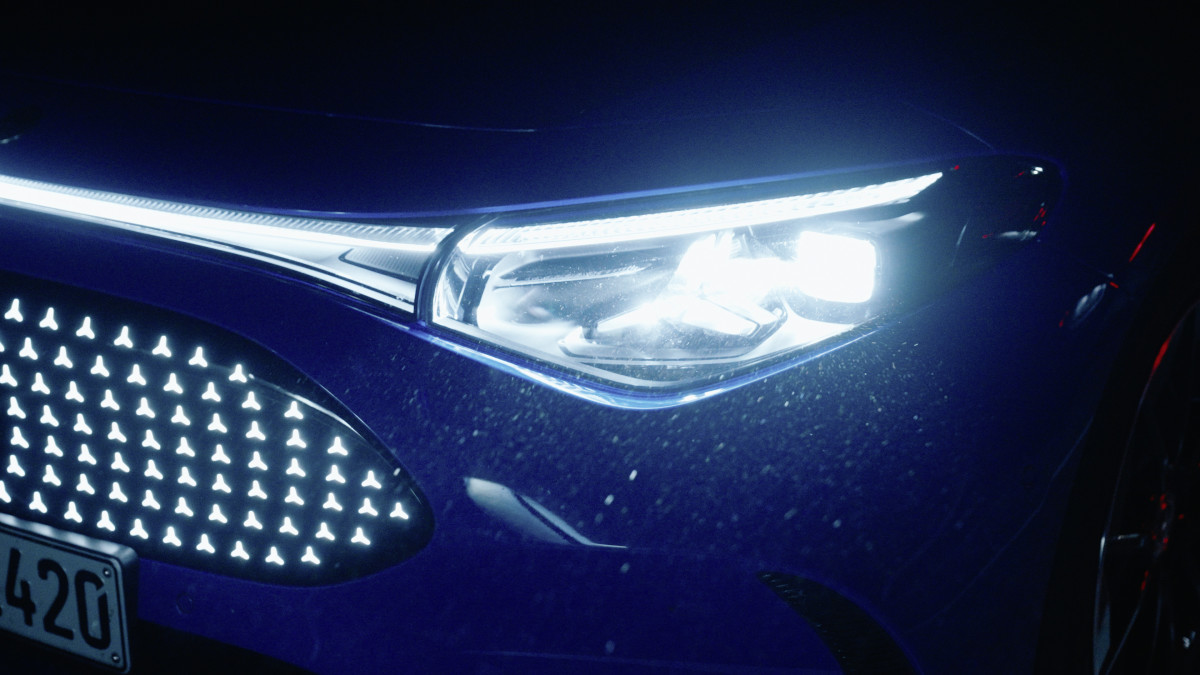
The Bright Headlights Crisis Is Far From Over
If you find yourself squinting while driving at night, you’re not alone. The IIHS reports that average headlight brightness has roughly doubled in the last decade. The NHTSA receives growing consumer complaints regarding headlight brightness. There's a real, widespread anger out there; there's even a subreddit with over 44,000 members complaining about this growing and very real crisis.
The numbers support the public's frustration. Older halogen bulbs produced approximately 1,000 lumens. Newer factory-fitted LEDs produce up to 4,000 lumens or more. Some aftermarket LEDs have been found to produce 10,000 lumens or more. But the problem is that the federal brightness standards for automotive headlights have not changed for decades.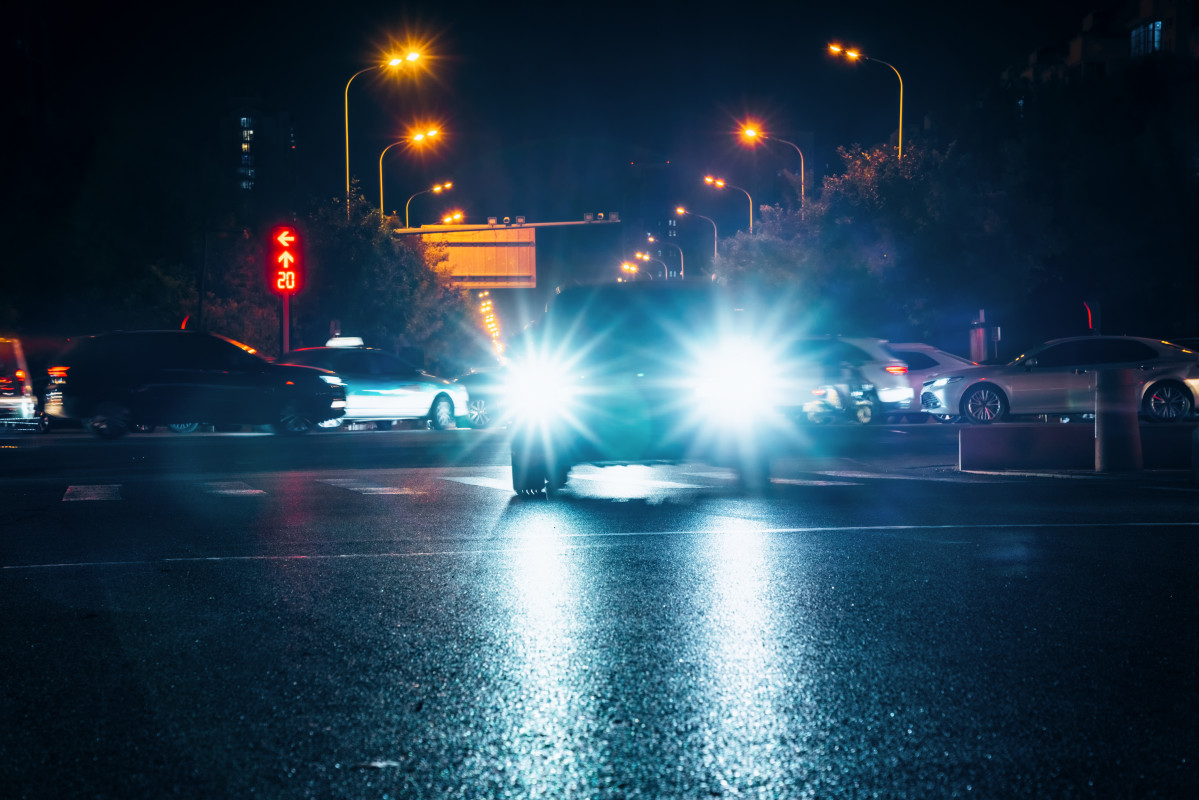
Regulatory Loopholes Made The Issue Worse
The Federal Motor Vehicle Safety Standard No. 108 hasn't had significant updates since 1986, with an addition allowing Adaptive Driving Beam (ADB) headlights coming only in 2022. The NHTSA last investigated the issue of headlamp glare in 2003. The current standards include huge loopholes for auto manufacturers to emit as much light as desired, as long as the manufacturer meets the requirements of the other parts of the regulation.
LEDs can be made to focus light using lasers, and auto manufacturers use this ability to their advantage. The regulatory standard prohibits excessive light in certain areas by referencing old technologies, but manufacturers design the areas in question to be shaded so that the total light output can still be increased greatly overall. Manufacturers want as much light as possible in order to get a high score for the IIHS headlight safety ratings. Photo by Josh Lefkowitz/Getty Images)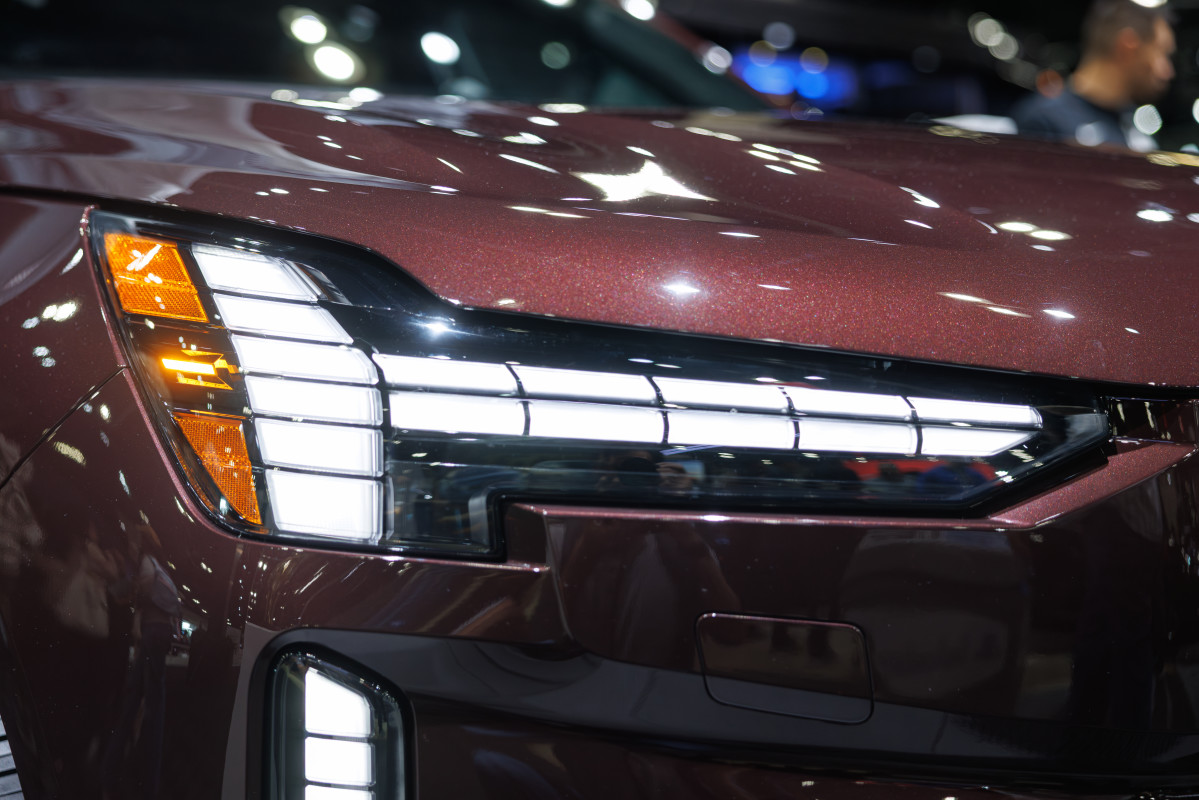
Blinding Headlights Are a Global Problem
Blinding headlights are something that people from all over the world are complaining about, but very few countries have taken proactive measures. The UK has decided to require all new vehicles sold after December 2025 to have adaptive headlights. Since 2010, European countries have utilized ADB technology, which automatically dims the light in areas that are directly ahead of oncoming vehicles. Although the U.S. finally approved the ADB technology in 2022, manufacturers are wary of implementing it because of conflicting regulations, with a few exceptions, such as Rivian. Rivi
Less Brightness, More Logic
To fix this problem, the first step is to update Standard 108 with a cap on the maximum allowable brightness for LED technology. Next, states should begin requiring headlight alignment inspection during vehicle inspections. Finally, NHTSA should enforce a ban against the sale of aftermarket LEDs that exceed the allowed brightness, at least for on-road use.
The Soft Lights Foundation has collected over 77,000 signatures calling for federal action to limit headlight brightness. People are frustrated with being temporarily blinded while driving, and it’s high time some regulation was put into place. Vehicles have become cleaner and safer through smart regulation; the same just needs to be done with headlights.
What's Your Reaction?
 Like
0
Like
0
 Dislike
0
Dislike
0
 Love
0
Love
0
 Funny
0
Funny
0
 Angry
0
Angry
0
 Sad
0
Sad
0
 Wow
0
Wow
0