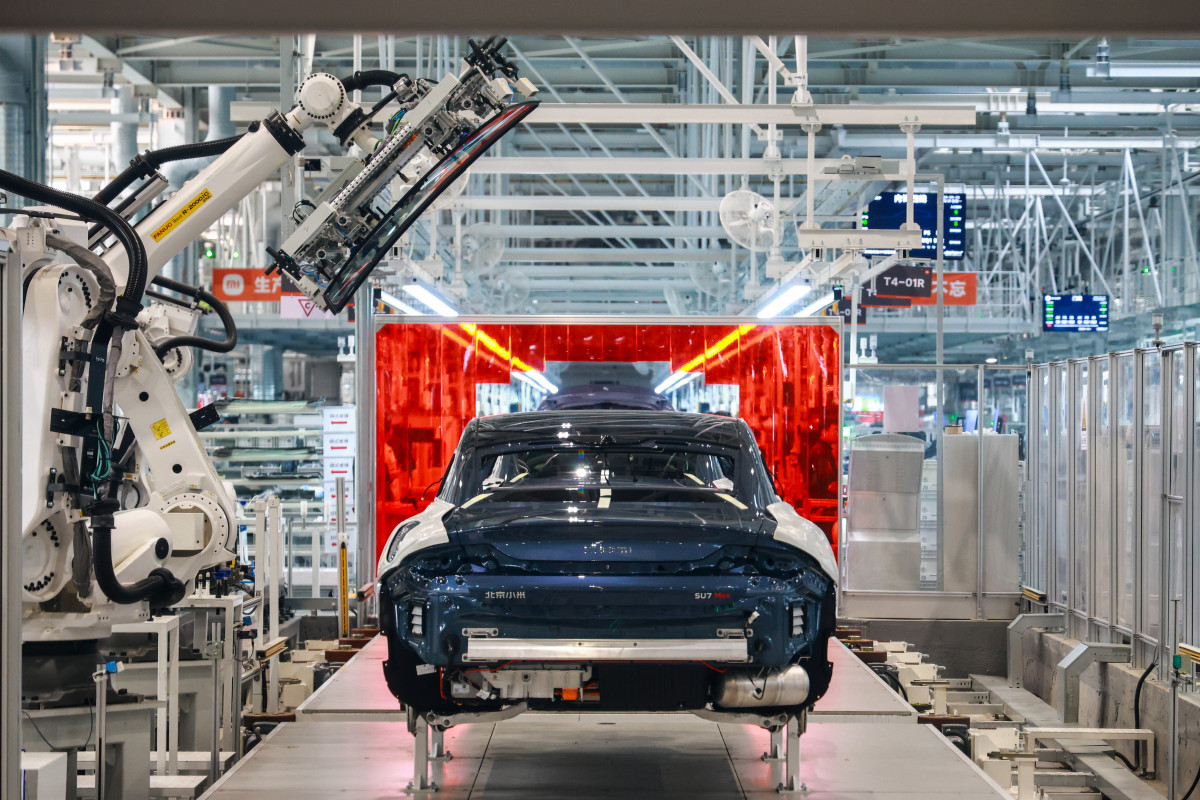
Hyundai’s Humanoid Robot Could Move From Factories to Homes by 2035

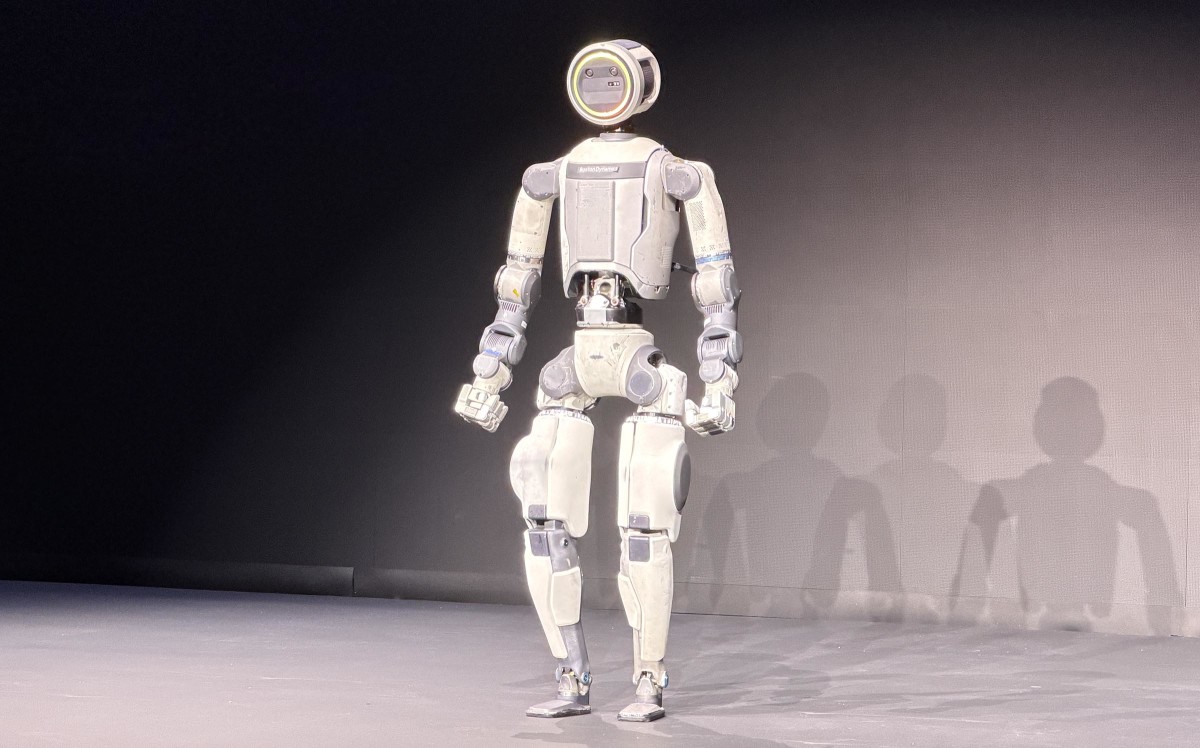
Meet Atlas. It’s the latest member of the growing robot family to emerge from the laboratory at Boston Dynamics – perhaps best known for its canine-like Spot. Atlas, however, walks on two legs and boasts a decidedly humanoid shape. And if the company’s parent, Hyundai Motor Group, has its way, Atlas will soon start showing up at its U.S. parts and assembly plants.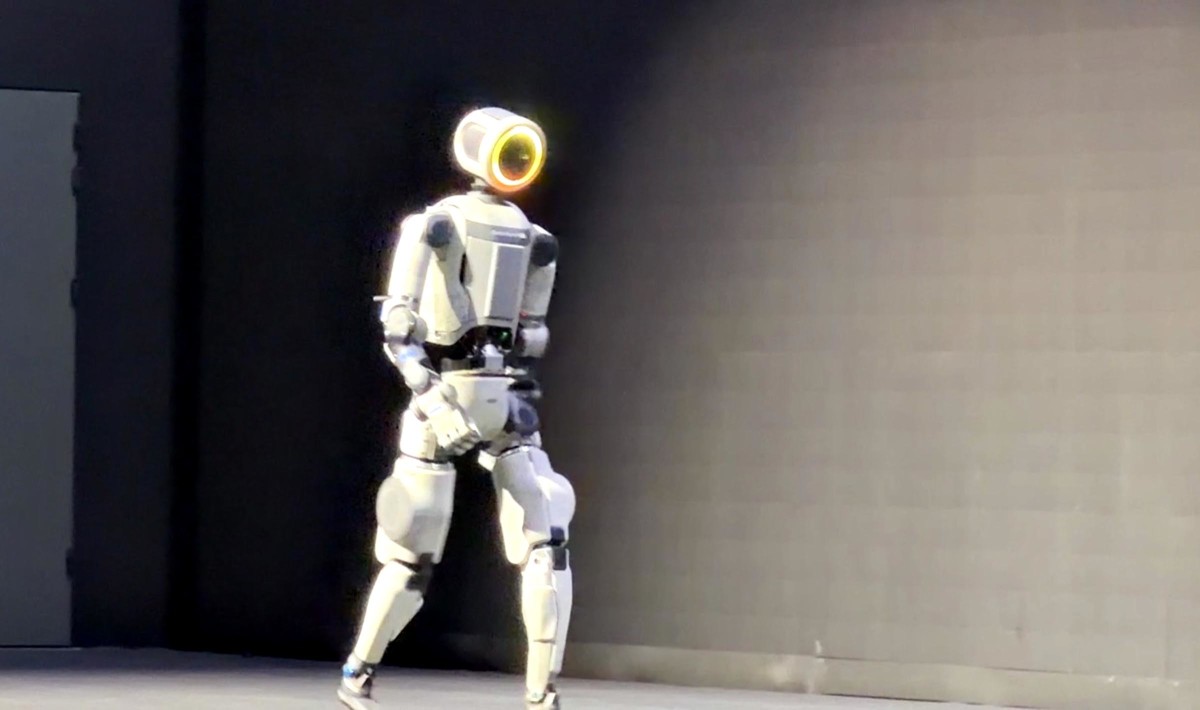
Hyundai hopes to be building as many as 30,000 of the machines annually later this decade. And while officials say Atlas is designed primarily for factory applications, a senior Boston Dynamics official told Autoblog he’d like to have a version of the robot ready for home applications by 2035.
On the Cusp
“We’re on the cusp of a transformation that will be as impactful as the introduction of the smartphone,” said Zachary Jackowski, the Boston Dynamics vice president in charge of the Atlas program. Mercedes-Benz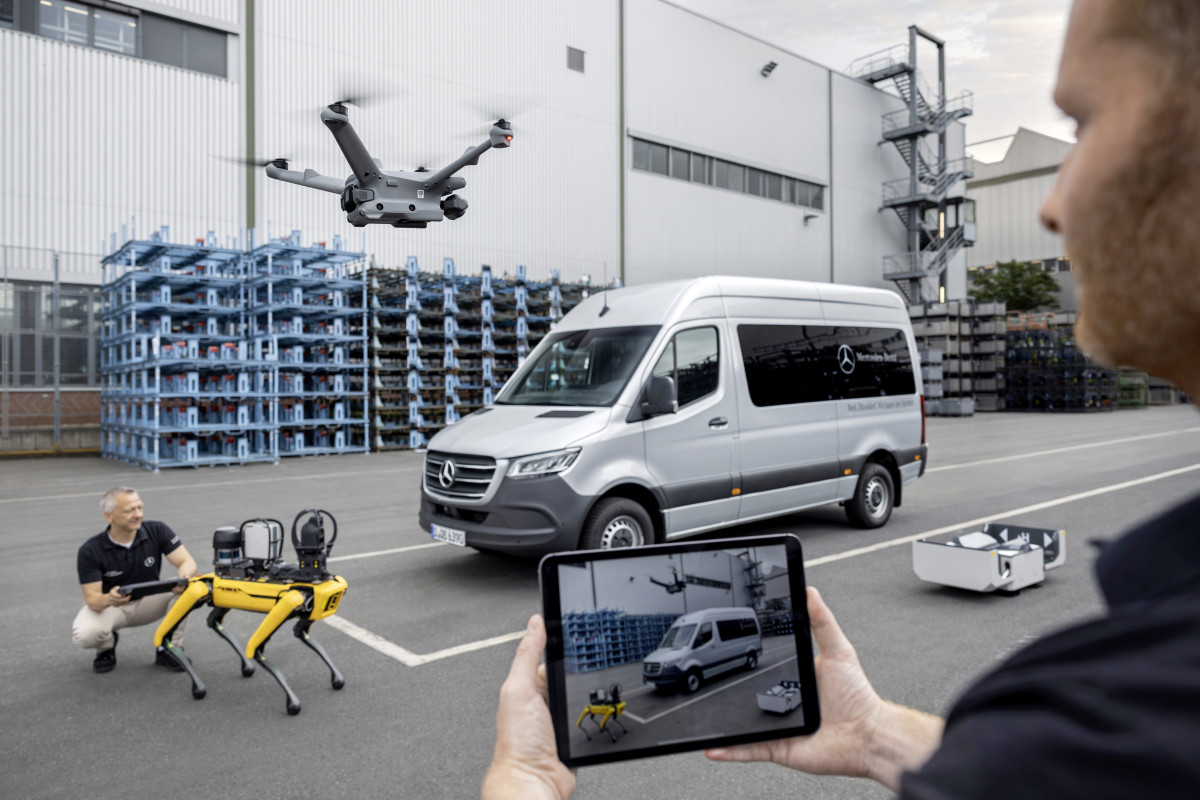
Founded in 1992, the company has been a pioneer in the robot space, focusing on machines that can move freely and serve a variety of services, including search and rescue, like Spot, the robot dog. Boston Dynamics was acquired by Hyundai in 2020 and has since been working up robots that can augment the more traditional, fixed automation that have become a mainstay in auto plants and other factories around the world.
Atlas is the initial result of that effort. It looks like it might have rolled off the set of a sci-fi flick, though it’s round, clock-shaped head is decidedly less threatening than the angry face of the robots in the “Terminator” film series. But Atlas can walk, bend down, even dance a bit. It’s motorized arms can move in even more directions than a human, and its claw-like “hands” feature tactile sensors allowing it to pick up delicate objects. It’s capable of lifting up to 110-pound loads – such as the bumpers that it might help install on a Hyundai assembly line.
Production Plans
“Our vision is a general-purpose humanoid robot that can go anywhere and manipulate any object,” explained Aya Durbin, a product lead on the Atlas program.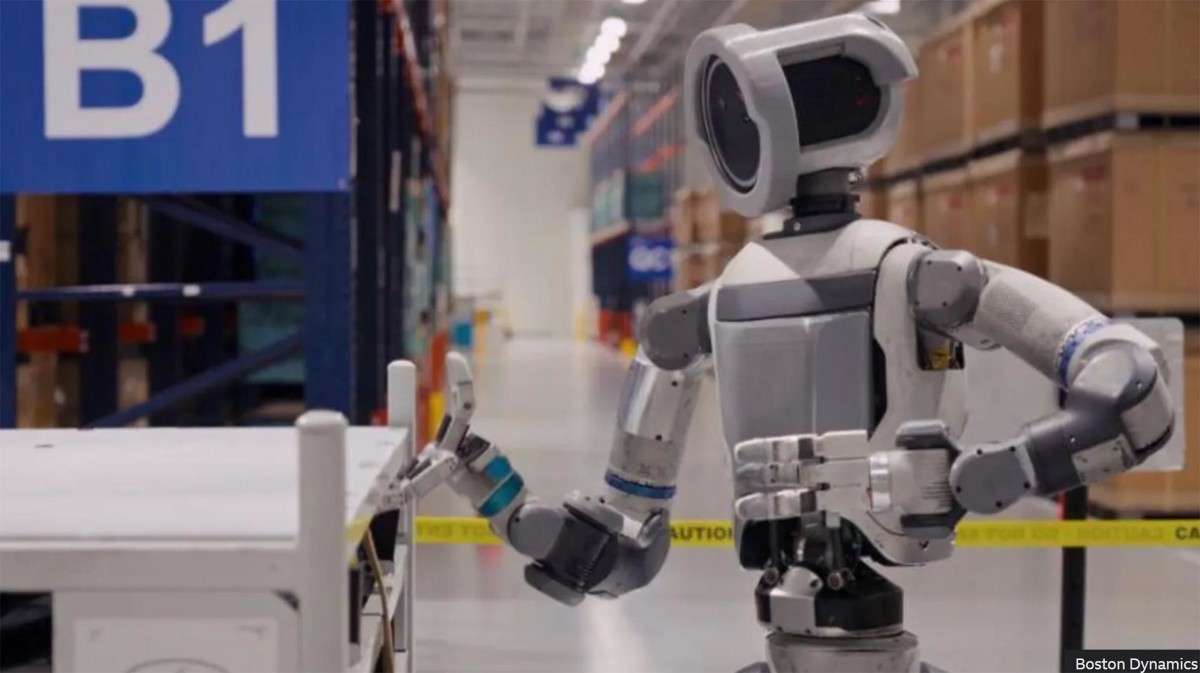
Hyundai intends to set up a dedicated plant to put together about 30,000 Atlas robots annually, with production expected to begin in 2028. Initially, officials said, they will start rolling, er, walking into Hyundai factories, such as its Metaplant in Georgia. The company then plans to start offering them to other manufacturers. It foresees a “robot-as-service” business where they will be leased on an as-needed basis.
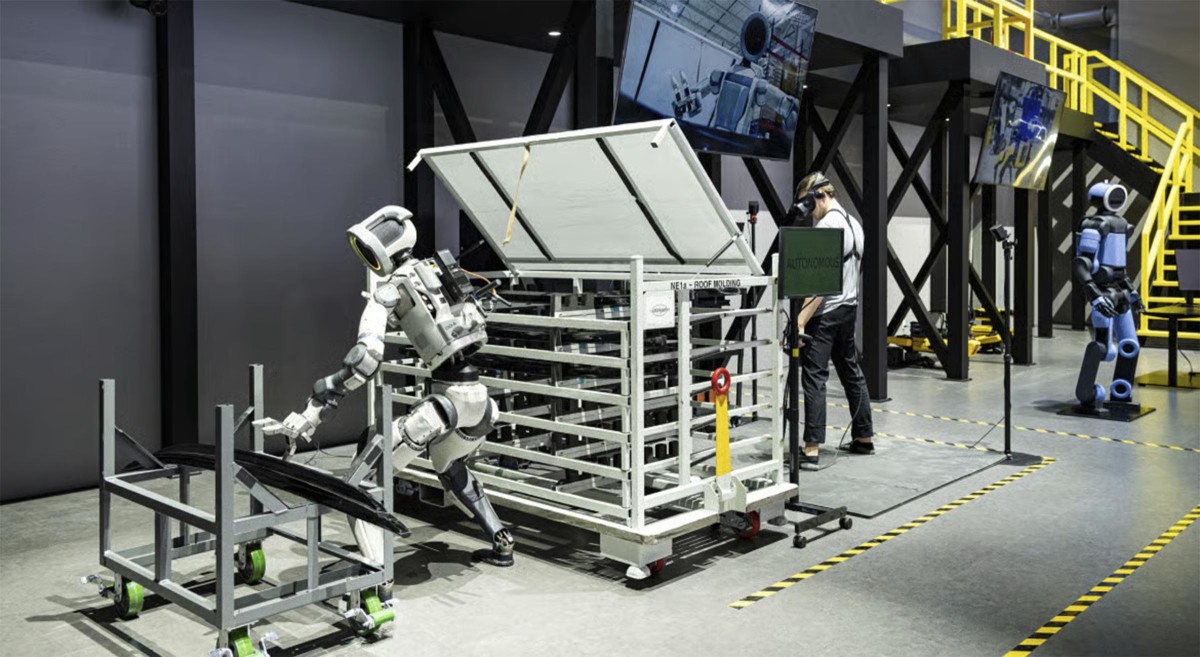
Boston Dynamics officials noted that they have set up special training facilities for Atlas, adding that the latest AI software allows the robot to learn on the fly, rather than needing to have its movements specifically programmed like traditional factory automation. And once one of the robots learns a task – such as unloading pallets of automotive parts – it can digitally transfer that knowledge to its clones.
A Friendly Face
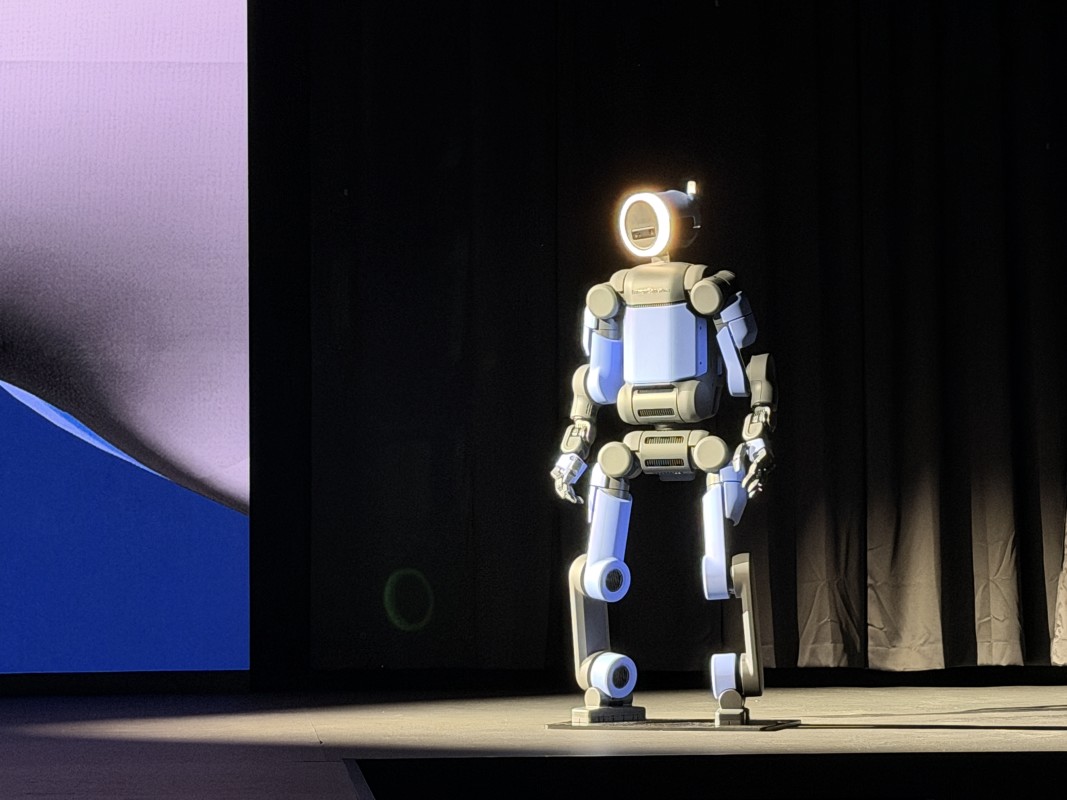
Hyundai is just one of many companies working up humanoid robots. Quite a few competitors – many of them from China – are displaying similar machines at CES this week. Absent from the annual gathering: Tesla, which is beginning to accelerate production of its own Optimus robot.
Tesla CEO Elon Musk has laid out aggressive plans for Optimus, and not just on the company’s assembly lines. His vision could have been lifted from the old Jetsons animated television series, imagining the humanoid machines as commonplace in American homes.
Related: Tesla Just Signed a $16.5 Billion Chip Deal While Its Sales Are Tanking
That idea doesn’t necessarily resonate with everyone, acknowledged Hyundai Motor President and CEO Jaehoon Chang, during a media roundtable. There have been far too many robots serving as protagonists in films, like “Terminator.” And even for those who don’t see robots as a sign of the apocalypse, there’s the question of what they might mean for factory jobs. For its part, Hyundai and Boston Dynamics took great pains to downplay such concerns, promising that, if anything, the arrival of Atlas will create even more jobs.
A Robot Maid?
That said, Boston Dynamic CEO Robert Playter cautioned that Atlas isn’t ready to find a place in your home. Not yet. The first concern, he said, “is safety.” And it will take time to make sure the next-generation Atlas will be able to not only wash and put away your dishes but tuck your child into bed at night.
More likely, he told Autoblog, such humanoid robots could be particularly helpful in eldercare situations, a field in which there’s a growing shortage of human workers as Baby Boomers and Gen X-ers grow old.
Asked how long it will take to make Atlas house-trained, Playter suggested that could happen by as early as 2035. The other challenge, he added, will be cost. Factories might be able to justify six-figure price tags. To become affordable for homeowners, he suggested, that will have to come down to somewhere between “$10,000 and $20,000.”
What's Your Reaction?
 Like
0
Like
0
 Dislike
0
Dislike
0
 Love
0
Love
0
 Funny
0
Funny
0
 Angry
0
Angry
0
 Sad
0
Sad
0
 Wow
0
Wow
0