Yosemite drops reservation requirement for popular Firefall event in February

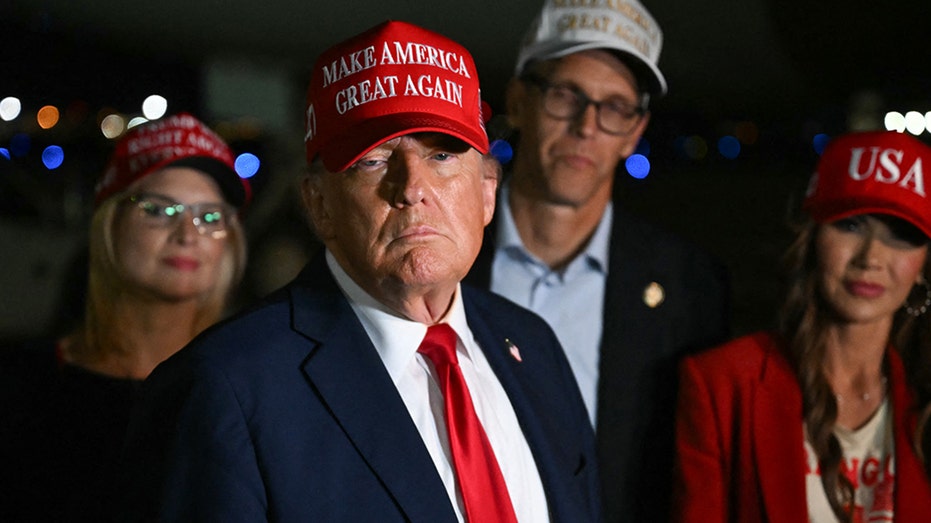
In a move that highlights the debate between easy access to national parks and preservation of natural resources, the Trump administration has dropped a reservation requirement for people who visit Yosemite National Park to see one of the park’s most popular winter displays on weekends in February.
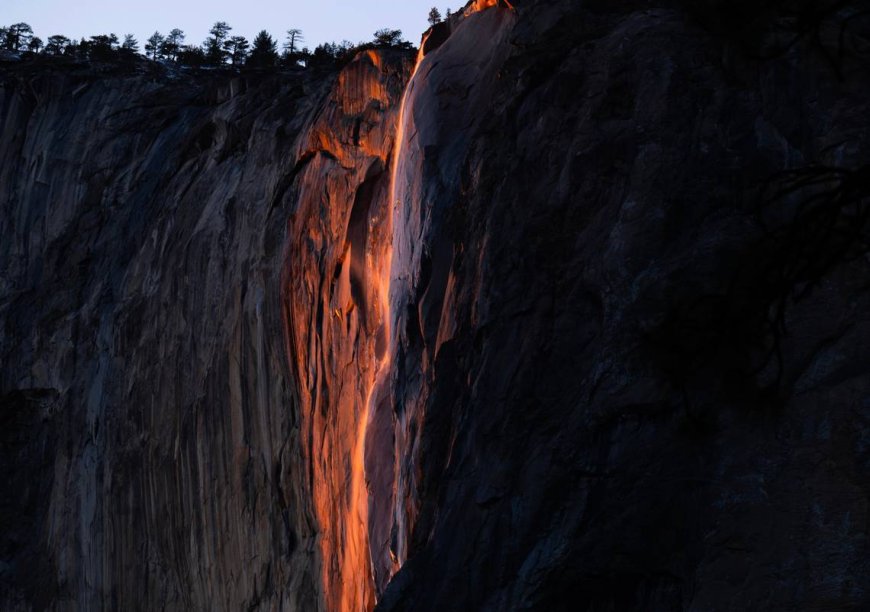
The annual event, commonly known as “Firefall,” is a natural spectacle when the setting sun hits Horsetail Fall, a 1,570-foot waterfall on the east side of El Capitan in Yosemite Valley.
When the conditions are just right — usually during clear evenings in mid-to-late February — water in the falls appears to glow orange and red, like lava. This year, the event will take place between Feb. 10 and 26, the park announced.
Every year, thousands of people from around the world visit Yosemite when it happens. Crowds and traffic became such an issue that in 2021, the park began requiring weekend visitors during the February Firefall dates to have reservations as a way to limit congestion and prevent crowds from trampling stream banks and parking illegally along Yosemite Valley’s sensitive meadows.
Late last week, however, Yosemite Superintendent Ray McPadden told a meeting of local tourism officials the reservation requirement will be dropped this year.
At a quarterly meeting of the Yosemite Gateway Partners at the park on Thursday, McPadden said parks officials had plans to handle traffic.
“A bunch of boots on the ground is going to be our principal strategy,” McPadden said, according to the Mariposa Gazette.
The park announced that it will require visitors to park near Yosemite Lodge, Yosemite Village and other facilities in the eastern part of the valley and walk the 1.5 miles each way to popular photo areas near Horse Tail Fall. Shuttle buses will be available at times. One lane of traffic on Northside Drive will be closed, allowing pedestrians to walk on the roadway.
Tourism industry officials in the towns surrounding Yosemite, who generally oppose reservations to enter Yosemite, praised the announcement.
“We have confidence in the park system understanding the traffic flow and how to manage it,” said Jonathan Farrington, executive director of the Yosemite Mariposa County Tourism Bureau.
Farrington and other tourism leaders noted that when the National Park Service requires reservations to enter the park during busy times, like Firefall or July Fourth weekend, people are blocked from seeing less-crowded parts of Yosemite.
“The reservations closed off all traffic to Badger Pass and to people’s ability to go to Mariposa Grove or cross-country ski at Glacier Point,” Farrington said. “It limited the ability to access the entire park. It’s good that the park is trying something different.”
Environmental groups said they were disappointed.
“It’s unfortunate,” said John Buckley, a former Forest Service firefighter who is executive director of the Central Sierra Environmental Resource Center in Twain Harte. “It’s sad if we are catering primarily to commercial interests who want the maximum number of people at hotels and restaurants and gift shops. It would be better for Yosemite if the park is managed first for its natural resources and values.”

Added Neal Desai of the National Parks Conservation Association: “This will lead to traffic jams, damage to park resources, strain on remaining park staff and ruined experiences for visitors.”
The announcement follows a similar move last year, when the Trump administration reduced the scope of a Biden-era reservation system put in place to limit crowds on busy summer days and weekends in Yosemite Valley after the COVID pandemic.
It also comes amid several other Trump administration rules that have sparked controversy in recent months, including a new order that took effect Jan. 1, raising fees on foreign visitors.
On Nov. 25, U.S. Interior Secretary Doug Burgum announced that entry fees for 11 national parks, including Yosemite, Grand Canyon, Yellowstone and Glacier, would increase to foreign visitors only in 2026.
Under the new rules, U.S. residents are still charged $35 per vehicle or $80 for an annual “America the Beautiful” pass that was redesigned to include an image of President Trump’s face. But visitors from other countries now have to pay an additional $100 per person for every person 16 or older who enters, or $250 for the annual pass, which allows a vehicle to enter all U.S. parks for a year.
“President Trump’s leadership always puts American families first,” Burgum said. “These policies ensure that U.S. taxpayers, who already support the national park system, continue to enjoy affordable access, while international visitors contribute their fair share to maintaining and improving our parks for future generations.”
Some tourism leaders have raised concerns about the fee, noting that 20% to 25% of the 5 million people who visit Yosemite every year are from foreign countries.
“I think it’s excessive,” said Rhonda Salisbury, CEO of Visit Yosemite Madera County. “I don’t disagree with the concept. But it should be $10 or $20, or U.S. citizens get a discount. We have been worried about what it will do to our international visitors. We don’t want them to not feel welcome.”
Since New Year’s Day, rangers at Yosemite’s gates have been asking if visitors are from the U.S., but are relying on the honor system.
“This seems like the administration’s latest ill-advised effort that will create chaos and confusion in our parks, not to mention longer lines for traffic,” Desai said.

What's Your Reaction?
 Like
0
Like
0
 Dislike
0
Dislike
0
 Love
0
Love
0
 Funny
0
Funny
0
 Angry
0
Angry
0
 Sad
0
Sad
0
 Wow
0
Wow
0